
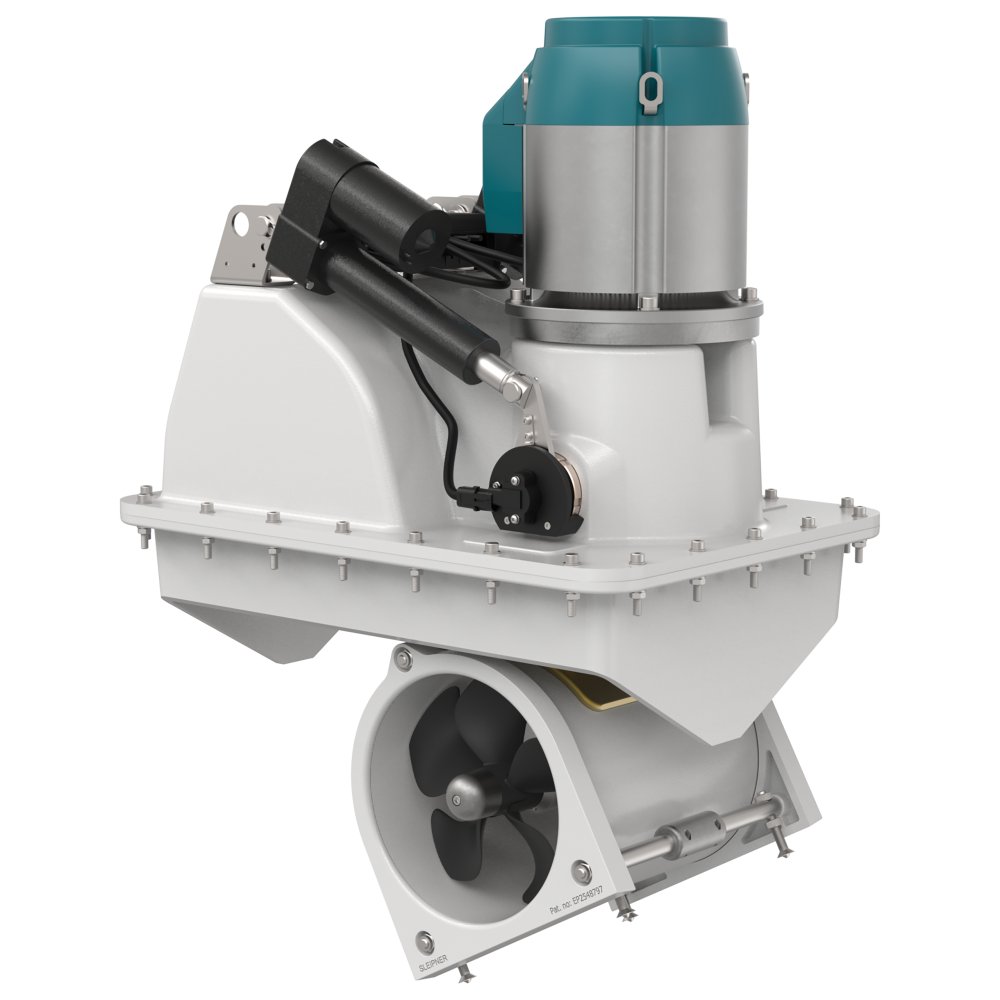
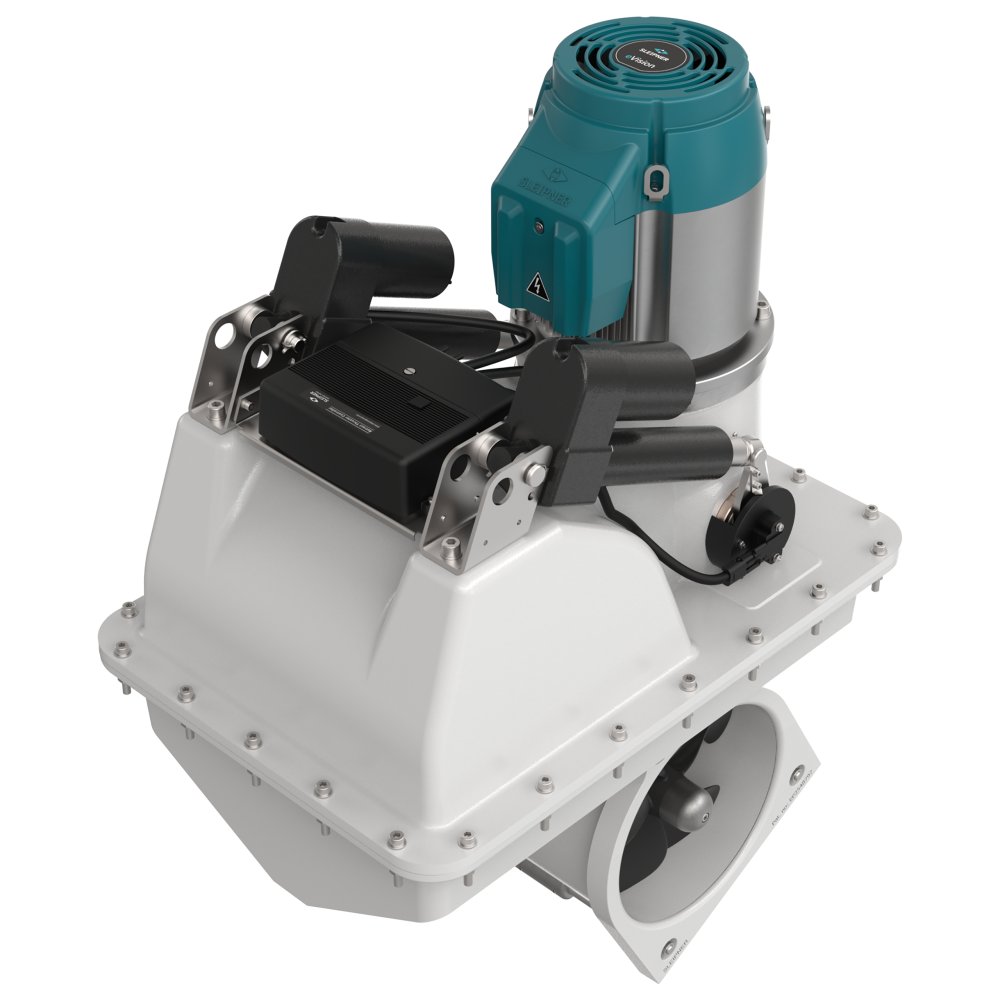
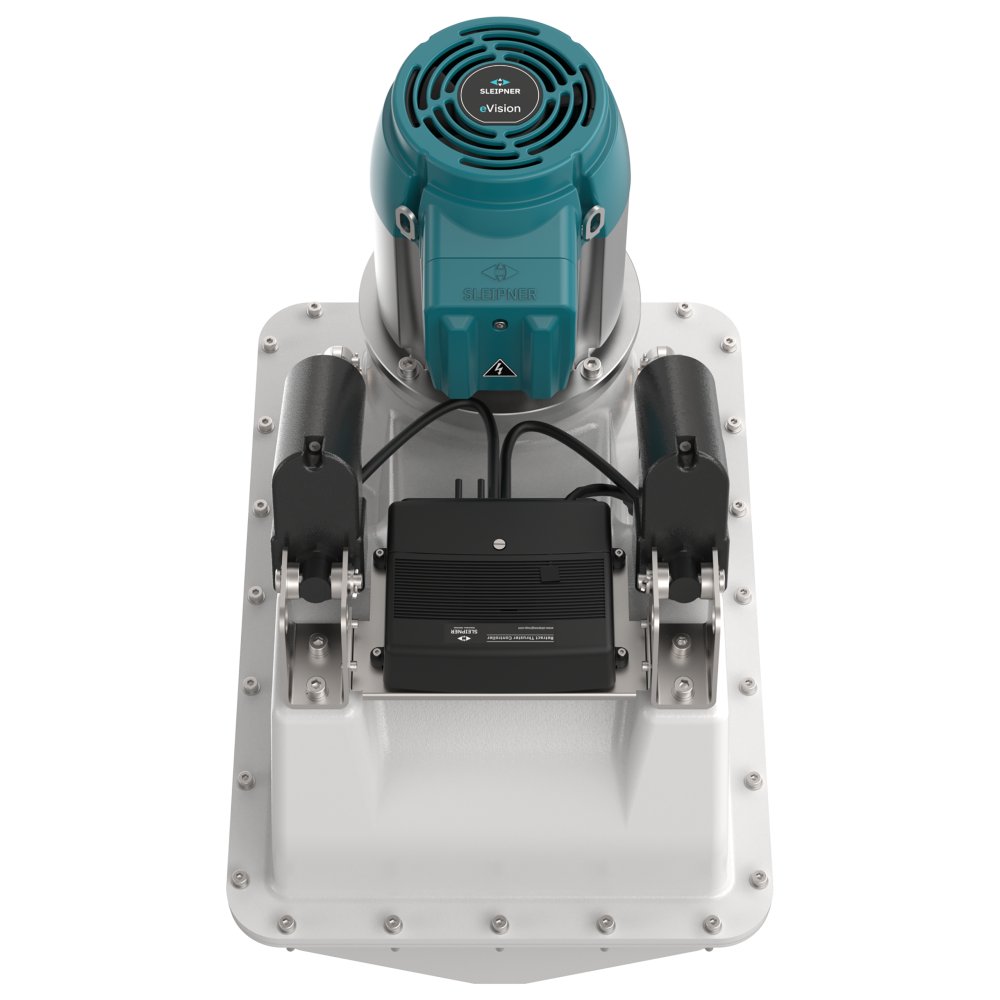
ERV170 eVision retract bow/stern thruster 48V
Call 954-577-2850 or Send Enquiry for Pricing
The ERV170 is a highly efficient, compact, lightweight retract thruster suitable for boats between 50-70 feet. The integrated inverter for variable speed control makes for a quick and easy installation.
ERV170 has the new 6-phase PMSM synchronous motor made explicitly for marine thruster use, delivering performance and runtime never seen before in a DC thruster. The unit is designed for vertical installation, making it perfect for boats with available height space.
- Up to 50% lighter
- Compact design
- Industry-leading runtime
- Active air cooling
Product Description
X-Yachts on Sleipner’s ERV100 Thrusters for the XC-47 Sailboat
X-Yachts shares their experience with Sleipner’s advanced ERV100 retract thrusters, highlighting the ease of single-handed sailing with proportional control and the hold function. Discover why Sleipner’s technology is their trusted choice for precision and solo sailing.
Are Lithium-ion (Li-ion), LiFePO4 or Lithium batteries a good solution for thruster battery banks?
Not necessarily. These systems typically come with a Battery Management System (BMS) that will disconnect the thruster in case of any issue with the battery (for instance, if the thruster draws more current than the BMS allows). Just imagine a sudden cut-out in the middle of a maneuver without any pre-warning.
At Sleipner, we recommend a solution with a simple, separate battery and without a disconnect BMS system (such as the lead acid bank frequently used for starting or similar). The helmsman will then be warned when the battery is getting low and feel that the thrusters are gradually losing power, which is significantly better than losing your thrusters without any pre-warning.
Disclaimer: Ensure battery/energy source is installed according to CE/ISO current rules and regulations and by licensed electricians.
Can I use LiFePO4, Lithium or Lithium-ion batteries for my thrusters?
Yes, you can, but not without taking some precautions. Sleipner produces two product lines of thrusters that will work well with high-capacity batteries and one product line which should be used with caution in combination with LiFePO4, Lithium, Li-ion, or similar batteries, which may be capable of delivering higher voltage under load than traditional batteries (such as lead-acid, AGM, gel or similar).
All Sleipner proportional thrusters will work well with Li-ion or LiFePO4 batteries, as the included PPC unit will control the output voltage to a safe level for the thruster. Make sure, though, that you actually get a good battery intended for maritime use. NB – make sure you have the latest embedded software installed.
All Sleipner eVision thrusters have built-in functionality to limit the maximum voltage delivered to the thruster. Again, make sure your battery is intended for maritime use.
Traditional DC on/off thrusters may be damaged or have a reduced life expectancy if operated at voltage levels outside their specifications.
Disclaimer: Ensure battery/energy source is installed according to CE/ISO current rules and regulations and by licensed electricians.
Can the thruster cause the BMS (Battery Management System) to disconnect the batteries?
Yes. Most engineers would tell you that it is not ideal for connecting the bow thrusters to a service bank protected by a Battery Management System. Thrusters are heavy consumers, and they may create sudden peaks in current draw, which again may cause the BMS to disconnect the batteries if the thruster draws more current than allowed. If this happens in the middle of a maneuver, you would be left without thrusters and may lose control of the boat.
Hence, Sleipner recommends that the thrusters be connected to a separate battery bank (that is not lithium) without a Battery Management System that can disconnect the batteries (and consequently the thrusters).
Disclaimer: Ensure battery/energy source is installed according to CE/ISO current rules and regulations and by licensed electricians.
What is the S-link control system?
S-link is a Sleipner CAN BUS based control system with full intelligent communication between all devices within the system, much like a computer network. It is used for all retract thrusters and Pro thrusters with a DC control system.
Main advantages include:
- Round, compact and waterproof plugs with unique keying and color coding to avoid faulty hookups.
- An unlimited number of commands or information transfer on a single cable.
- It has user feedback to panel
- Intelligent troubleshooting
What type of batteries are recommended for thrusters?
Sleipner recommends that the thrusters are connected to a battery bank that is not protected by a Battery Management System (BMS). Typically this means lead-acid, AGM, gel, or similar kinds of batteries. This is important because thrusters draw a lot of currents quickly, and the high amp draw may lead the BMS system to think that there is an issue with the system and consequently disconnect the batteries from the circuit, in which case you would lose maneuverability.
If you have Lithium batteries powering your thrusters, the best advice we can give you is to check the actual voltage measured on the thrusters during operation. Sleipner thrusters are designed to operate within a specific voltage range, and as long as you are within these boundaries, it doesn’t matter for the thruster if the current is delivered by this or that battery pack.
It may also be a very good idea to check the actual current drawn from the battery during full power at the thruster to see that you are not at the limit for the BMS to avoid sudden loss of maneuverability if the BMS disconnects the battery.
With installations where the battery pack is far from the thruster, the higher voltage delivered by LiFePO4 or similar batteries might not be a problem as you will experience a voltage drop through the long cables.
Always make sure you measure your voltage on the thruster to avoid the risk of early thruster wear.
As battery technology is changing rapidly, we always recommend consulting a professional battery supplier.
Disclaimer: Ensure battery/energy source is installed according to CE/ISO current rules and regulations and by licensed electricians.
| ⚙️ Main power | |
| Power supply | 48V DC |
| Nominal voltage | 42V DC |
| Current consumption A | 220A |
| Power output at nominal voltage | 7.3kW / 9hp |
| Recommended fuse A | ANL 200 |
| ❄️ Cold Cranking Amps (CCA) | |
| Minimum battery CCA (DIN) | 220 |
| Minimum battery CCA (SAE) | 418 |
| Minimum battery CCA (EN) | 374 |
| 🔔 Alarms | |
| Alarm notification | Via the product’s control device |
| 🚤 Performance & features | |
| Motor cycle duty | Runtime @ 100% thrust: Continuous @ 22degC ambient, typically limited by battery capacity |
| 📊 Thrust ratings | |
| Thrust at 48V | 170kg / 374lbs |
| Thrust at 42V | 170kg / 374lbs |
| 🧩 Features | |
| Q-Propeller | Yes |
| Twin Counter Rotating Propellers | Yes |
| Sealed Drive Lubrication | Yes |
| IP – Ignition Protection | Yes |
| Variable Speed Control | Yes |
| S-Link | Yes |
| Overheat Protection | Yes |
| Flexible Coupling | Yes |
| Safe Start-Up / Child safety | Yes |
| Hold Thrust | Yes |
| Ceramic Seals | Yes |
| Intelligent Power Control Plus | Yes |
| Industry leading efficiency | Yes |
| Plug and play signal cables | Yes |
| ERV_high_d_7Jg6kDt.png | ERV_high_d_7Jg6kDt.png |
| ERV_high_d_7Jg6kDt.png | ERV_high_d_7Jg6kDt.png |
| 📏 Dimensions | |
| (H) Height | 389mm / 15in |
| (+H) Additional Height | 120mm / 4in |
| (L) Length | 687mm / 27in |
| (W) Width | 481mm / 18in |
| (ID) Internal Diameter | 250mm / 9in |
| (WD min.) Minimum Water Depth | 250mm / 9in |
| (RD) Retract Depth | 378mm / 14in |
| (RW) Retract Width | 349mm / 13in |
| (MW) Mould Width | 417mm / 16in |
| (MH) Mould Height | 97mm / 3in |
| (CT) Cable Terminal | M8 |
| 🔧 Installation capability | |
| Bow Capability | Yes |
| Stern Capability | Yes |
| Retractable Capability | Yes |
| ⛵ Ideal vessel integration | |
| Typical vessel class | Motor boat, Sail boat |
| Typical vessel size | 15-22m / 49-72ft |
| ⚖️ Product weight | |
| Net weight | 83.7kg / 184lbs |
Are Lithium-ion (Li-ion), LiFePO4 or Lithium batteries a good solution for thruster battery banks?
Not necessarily. These systems typically come with a Battery Management System (BMS) that will disconnect the thruster in case of any issue with the battery (for instance, if the thruster draws more current than the BMS allows). Just imagine a sudden cut-out in the middle of a maneuver without any pre-warning.
At Sleipner, we recommend a solution with a simple, separate battery and without a disconnect BMS system (such as the lead acid bank frequently used for starting or similar). The helmsman will then be warned when the battery is getting low and feel that the thrusters are gradually losing power, which is significantly better than losing your thrusters without any pre-warning.
Disclaimer: Ensure battery/energy source is installed according to CE/ISO current rules and regulations and by licensed electricians.
Can I use LiFePO4, Lithium or Lithium-ion batteries for my thrusters?
Yes, you can, but not without taking some precautions. Sleipner produces two product lines of thrusters that will work well with high-capacity batteries and one product line which should be used with caution in combination with LiFePO4, Lithium, Li-ion, or similar batteries, which may be capable of delivering higher voltage under load than traditional batteries (such as lead-acid, AGM, gel or similar).
All Sleipner proportional thrusters will work well with Li-ion or LiFePO4 batteries, as the included PPC unit will control the output voltage to a safe level for the thruster. Make sure, though, that you actually get a good battery intended for maritime use. NB – make sure you have the latest embedded software installed.
All Sleipner eVision thrusters have built-in functionality to limit the maximum voltage delivered to the thruster. Again, make sure your battery is intended for maritime use.
Traditional DC on/off thrusters may be damaged or have a reduced life expectancy if operated at voltage levels outside their specifications.
Disclaimer: Ensure battery/energy source is installed according to CE/ISO current rules and regulations and by licensed electricians.
Can the thruster cause the BMS (Battery Management System) to disconnect the batteries?
Yes. Most engineers would tell you that it is not ideal for connecting the bow thrusters to a service bank protected by a Battery Management System. Thrusters are heavy consumers, and they may create sudden peaks in current draw, which again may cause the BMS to disconnect the batteries if the thruster draws more current than allowed. If this happens in the middle of a maneuver, you would be left without thrusters and may lose control of the boat.
Hence, Sleipner recommends that the thrusters be connected to a separate battery bank (that is not lithium) without a Battery Management System that can disconnect the batteries (and consequently the thrusters).
Disclaimer: Ensure battery/energy source is installed according to CE/ISO current rules and regulations and by licensed electricians.
What is the S-link control system?
S-link is a Sleipner CAN BUS based control system with full intelligent communication between all devices within the system, much like a computer network. It is used for all retract thrusters and Pro thrusters with a DC control system.
Main advantages include:
- Round, compact and waterproof plugs with unique keying and color coding to avoid faulty hookups.
- An unlimited number of commands or information transfer on a single cable.
- It has user feedback to panel
- Intelligent troubleshooting
What type of batteries are recommended for thrusters?
Sleipner recommends that the thrusters are connected to a battery bank that is not protected by a Battery Management System (BMS). Typically this means lead-acid, AGM, gel, or similar kinds of batteries. This is important because thrusters draw a lot of currents quickly, and the high amp draw may lead the BMS system to think that there is an issue with the system and consequently disconnect the batteries from the circuit, in which case you would lose maneuverability.
If you have Lithium batteries powering your thrusters, the best advice we can give you is to check the actual voltage measured on the thrusters during operation. Sleipner thrusters are designed to operate within a specific voltage range, and as long as you are within these boundaries, it doesn’t matter for the thruster if the current is delivered by this or that battery pack.
It may also be a very good idea to check the actual current drawn from the battery during full power at the thruster to see that you are not at the limit for the BMS to avoid sudden loss of maneuverability if the BMS disconnects the battery.
With installations where the battery pack is far from the thruster, the higher voltage delivered by LiFePO4 or similar batteries might not be a problem as you will experience a voltage drop through the long cables.
Always make sure you measure your voltage on the thruster to avoid the risk of early thruster wear.
As battery technology is changing rapidly, we always recommend consulting a professional battery supplier.
Disclaimer: Ensure battery/energy source is installed according to CE/ISO current rules and regulations and by licensed electricians.
Related products
-
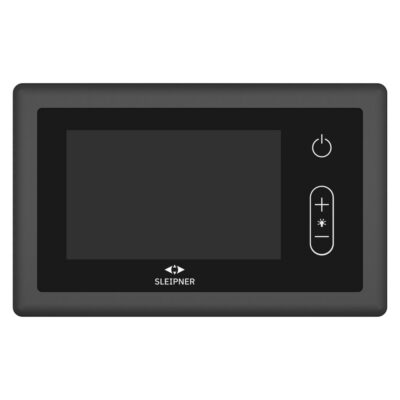
Stabilizer control panel
Call 954-577-2850 or Send Enquiry for Pricing More Info -
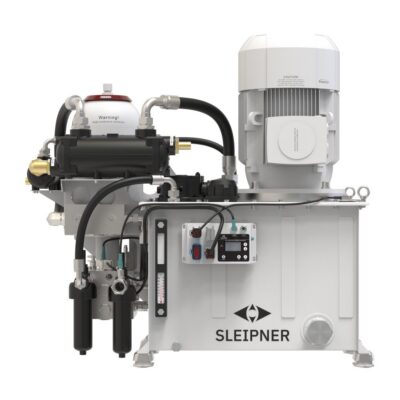
Hydraulic powerpack for SPS9x-VF1650
Call 954-577-2850 or Send Enquiry for Pricing More Info -
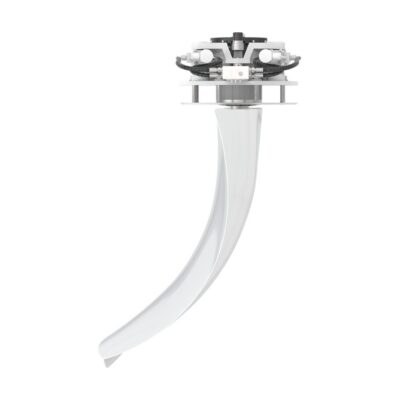
Vector Fins™ 1,65m² for hydraulic actuator SPS93/94
Call 954-577-2850 or Send Enquiry for Pricing More Info -
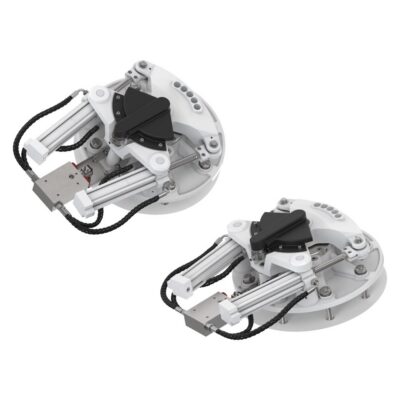
Hydraulic actuator kit for Vector fins VFS1950
Call 954-577-2850 or Send Enquiry for Pricing More Info